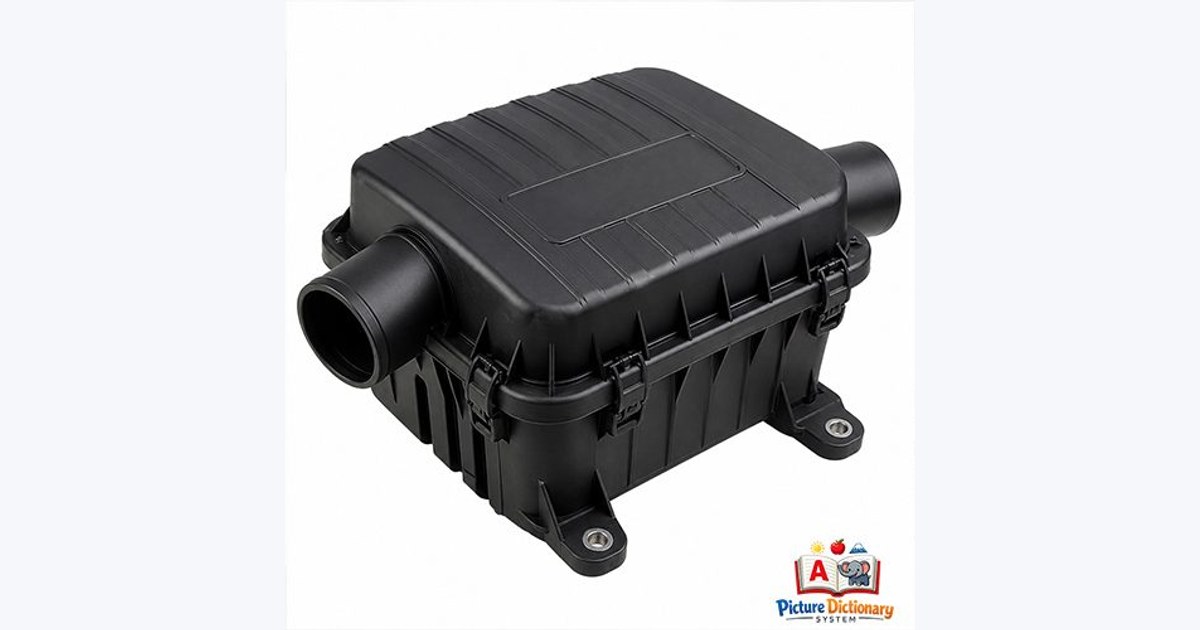
Air Cleaner Housing
The air cleaner housing is a protective plastic or metal enclosure that holds the engine's air filter. It ensures air is directed through the filter media to remove debris before entering the intake manifold, protecting internal engine components from wear.
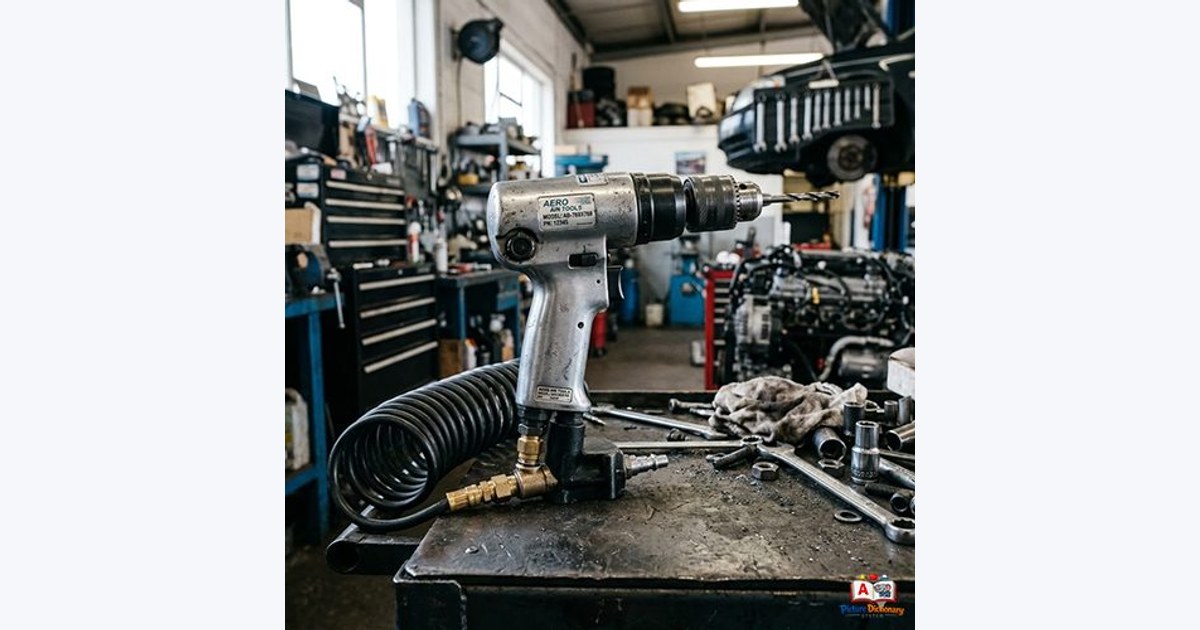
Air drill
An air drill is a pneumatic power tool that utilizes compressed air to generate high-speed rotary motion. Its lightweight, ergonomic design and ability to operate safely in wet or explosive environments make it ideal for heavy-duty industrial tasks.
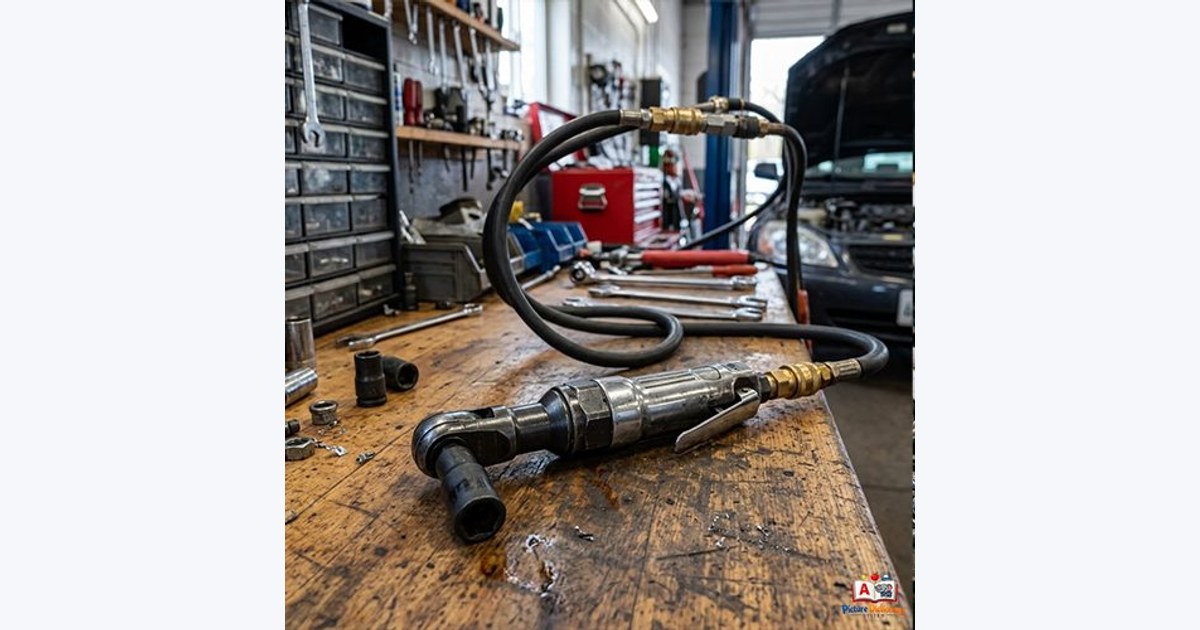
Air ratchet
An air ratchet is a pneumatic tool designed for quickly loosening or tightening nuts and bolts in cramped locations. By using compressed air, it eliminates manual handle movement, allowing technicians to work faster with minimal physical strain.
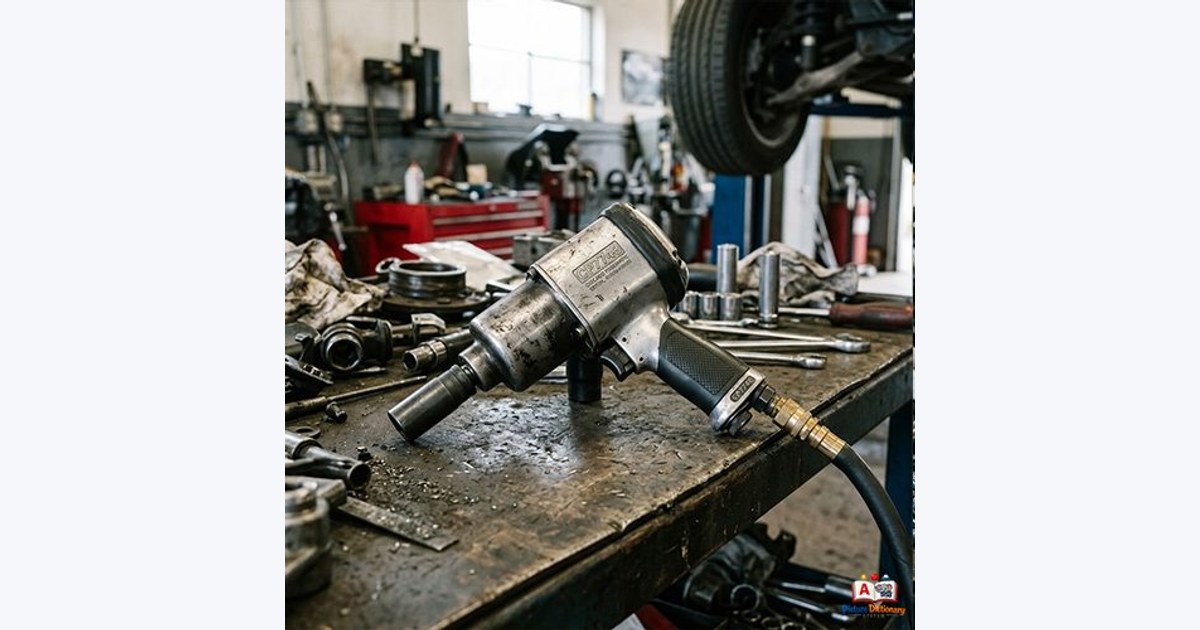
Air wrench
An air wrench, or pneumatic impact wrench, is a powerful tool powered by compressed air. It is widely used in automotive and industrial settings to quickly tighten or loosen heavy-duty bolts and nuts with high torque.

Airbag
An airbag is a vehicle safety device consisting of a flexible fabric envelope designed to inflate rapidly during a collision. It acts as a protective cushion, preventing occupants from striking hard interior objects, significantly reducing the risk of serious injury.
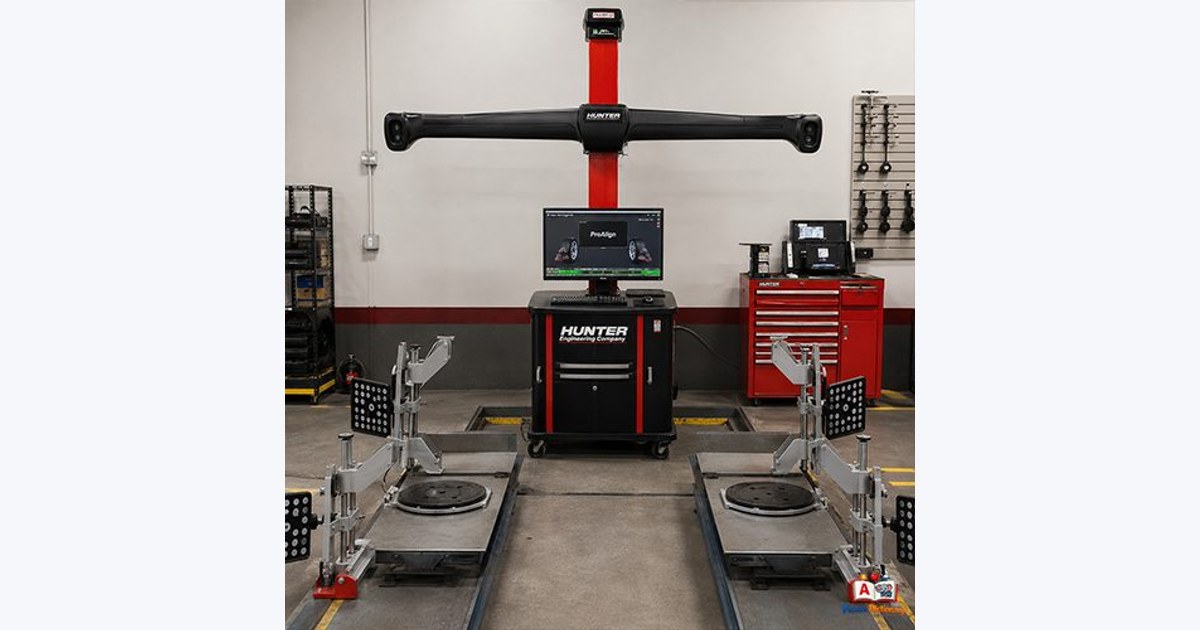
Alignment Rack
An alignment rack is a specialized automotive lift designed to elevate a vehicle while keeping its wheels level. It provides mechanics with precise access to suspension components for measuring and adjusting wheel angles to ensure optimal handling.
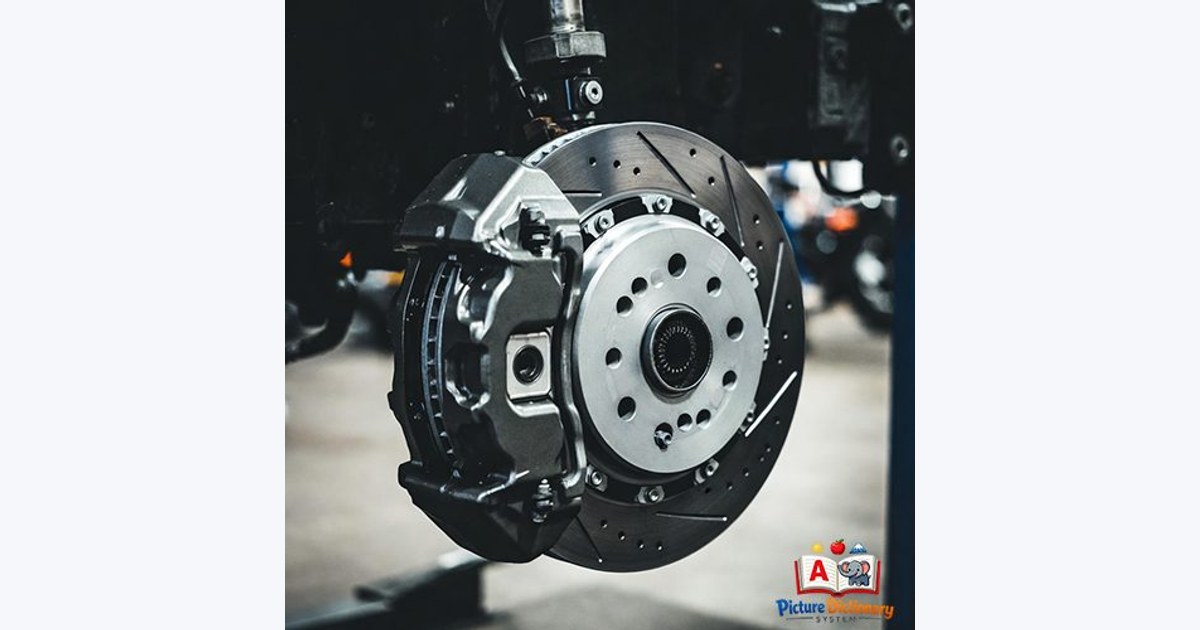
Brake
Automotive brakes are critical safety components that slow or stop a vehicle by converting kinetic energy into heat through friction. Most modern systems use hydraulic pressure to press pads against discs or shoes against drums to decelerate the wheels.
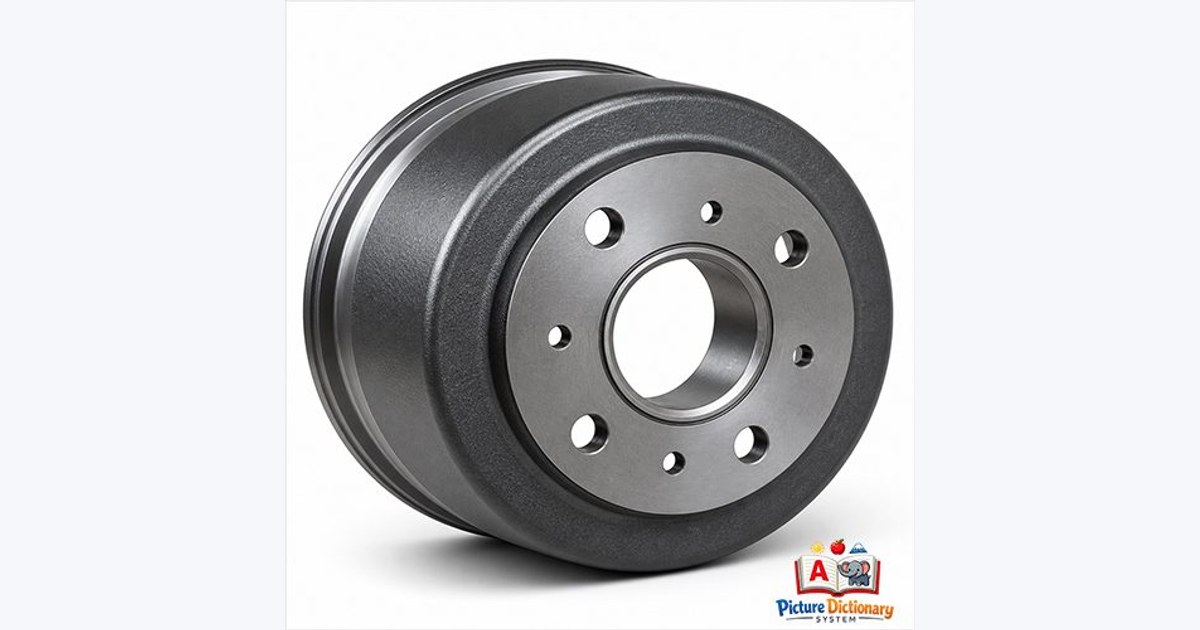
Brake Drum
A brake drum is a bowl-shaped component that rotates with the wheel. When braking, internal shoes press outward against the drum's inner surface, creating friction to slow the vehicle. These are commonly found on the rear wheels of many cars.
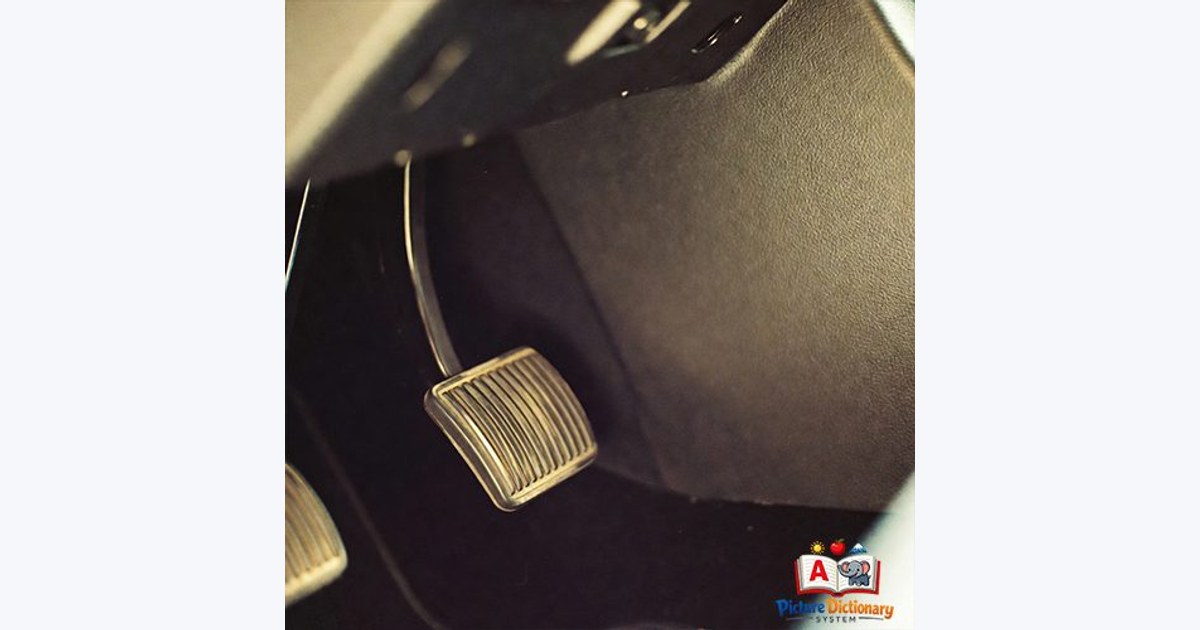
Brake Pedal
The brake pedal is the driver-operated interface that initiates the braking process. When pressed, it leverages mechanical force into hydraulic pressure via the master cylinder, ultimately engaging the brake pads or shoes to slow the vehicle's rotation.
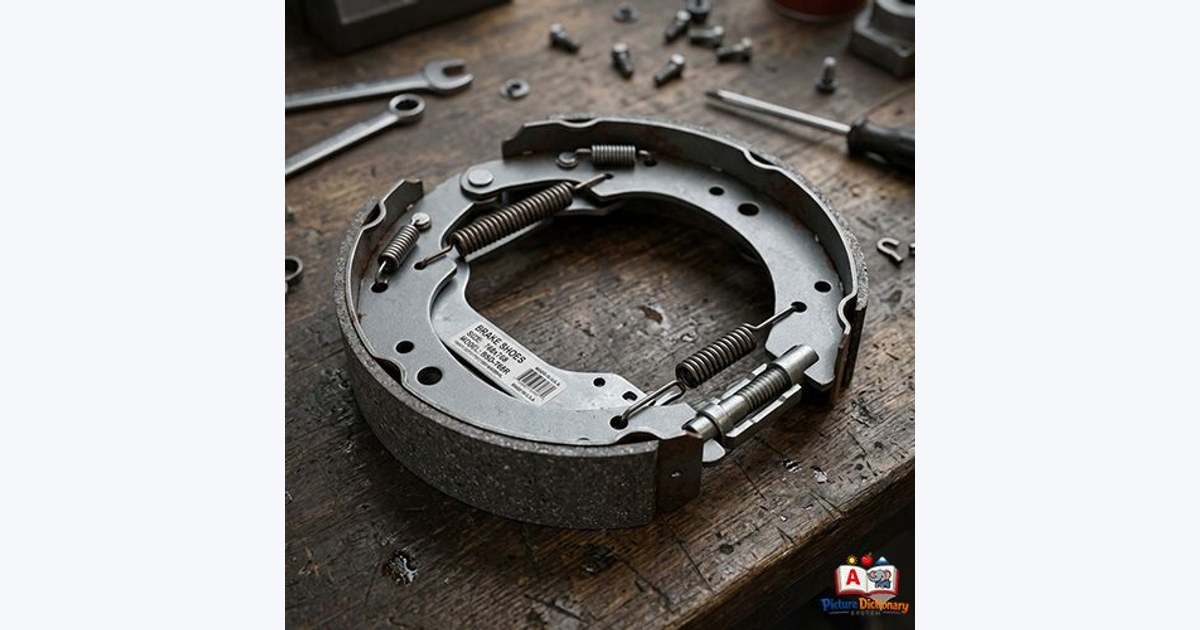
Brake shoes
Brake shoes are curved metallic friction components used in drum brake systems. When the brakes are applied, a hydraulic cylinder forces them outward against the inside of a rotating drum, creating the necessary friction to slow or stop the vehicle.

Car Door
An automotive door is a hinged or sliding portal that allows occupants to enter and exit a vehicle. It provides structural integrity, houses electronic window components, and integrates safety features like impact beams and locking mechanisms for security.
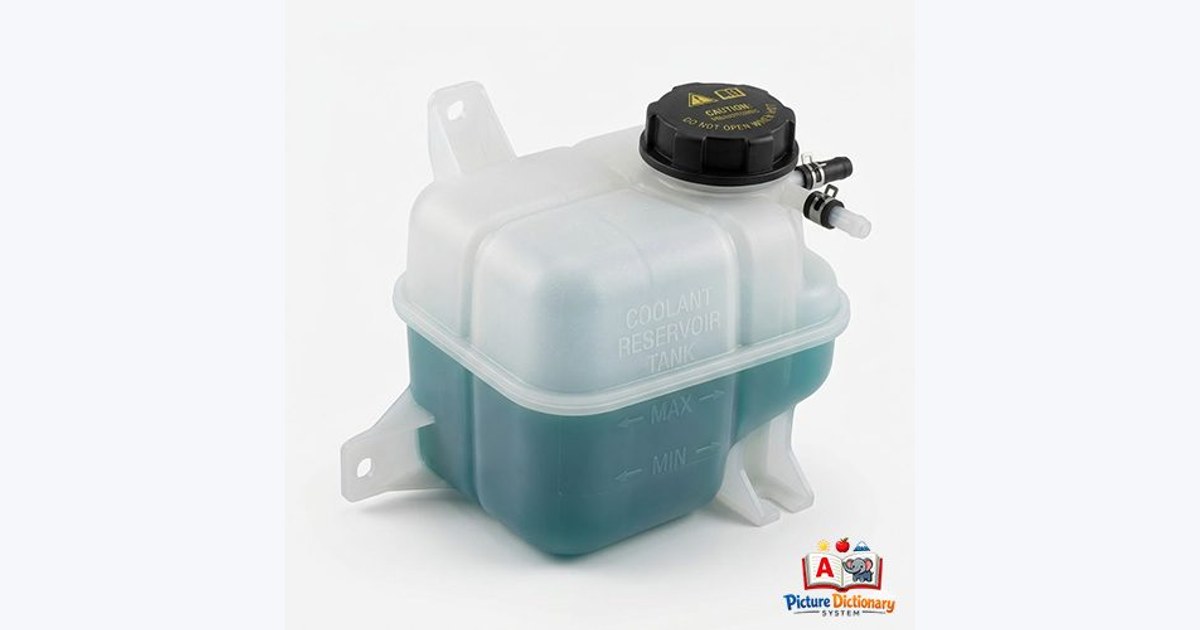
Coolant Reservoir Tank
The Coolant Reservoir Tank serves as a storage vessel for excess engine coolant. It accommodates fluid expansion and contraction as temperatures fluctuate, preventing air from entering the cooling system and ensuring the radiator remains consistently full for efficient engine heat regulation.
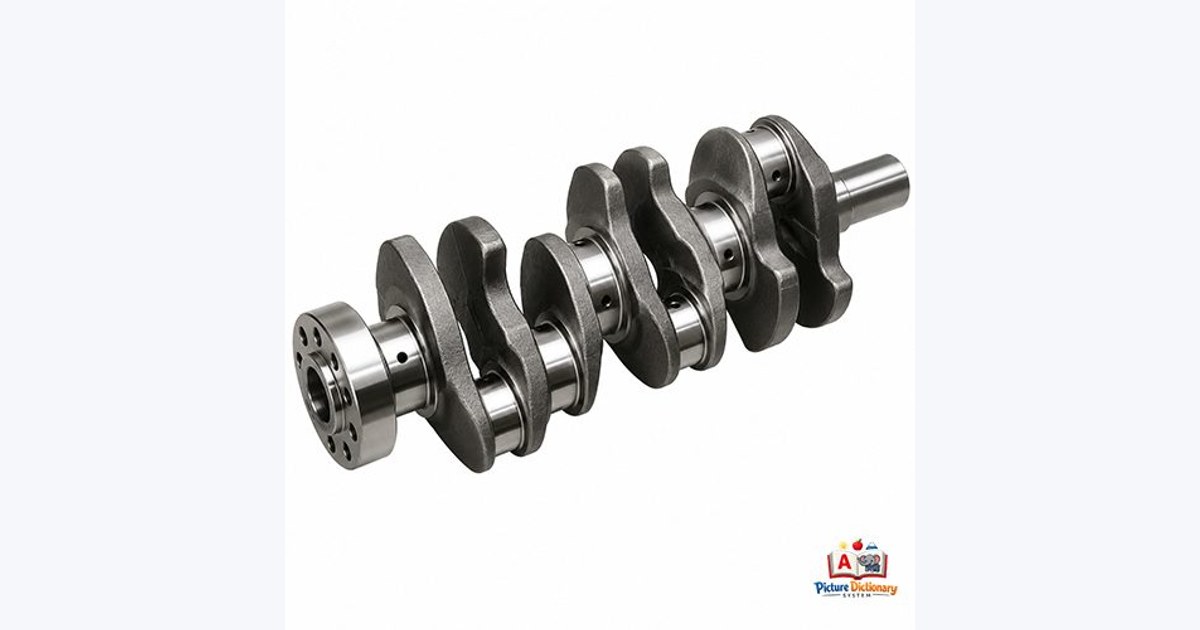
Crankshaft
The crankshaft is the backbone of the engine's bottom end. It converts the linear, reciprocating motion of the pistons and connecting rods into the rotational energy needed to drive the vehicle's transmission and ultimately turn the wheels.
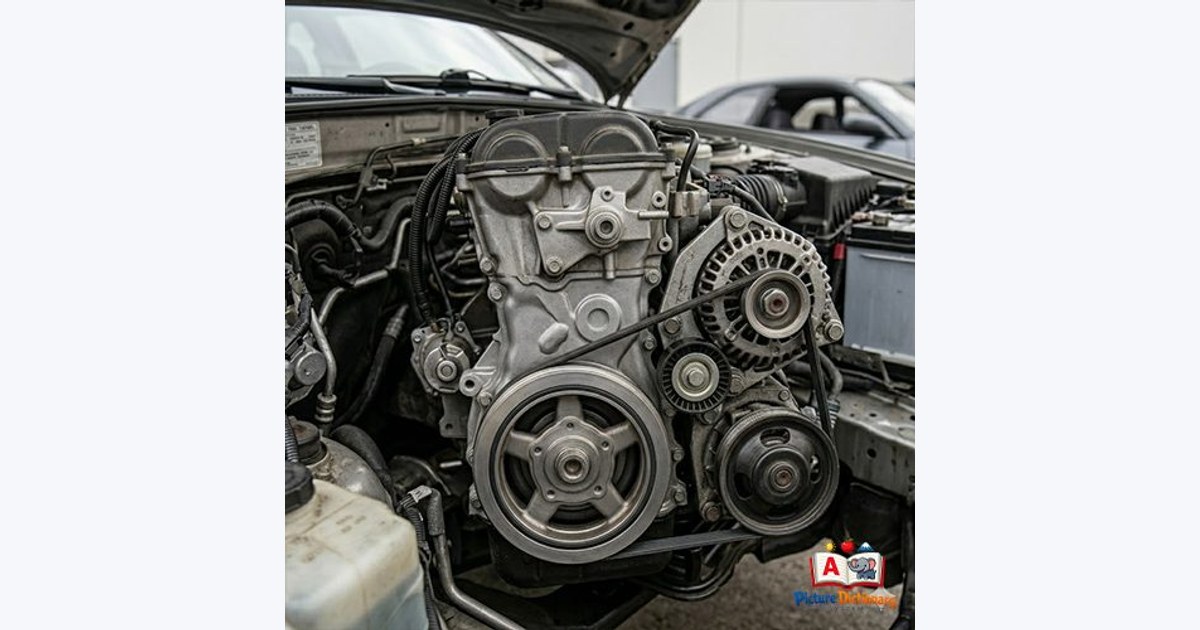
Crankshaft pulley
A crankshaft pulley is fitted to the front of the engine crankshaft and transfers engine power to accessory belts. It operates components like the alternator, power steering pump, and air conditioner while helping reduce vibration and improve engine performance.
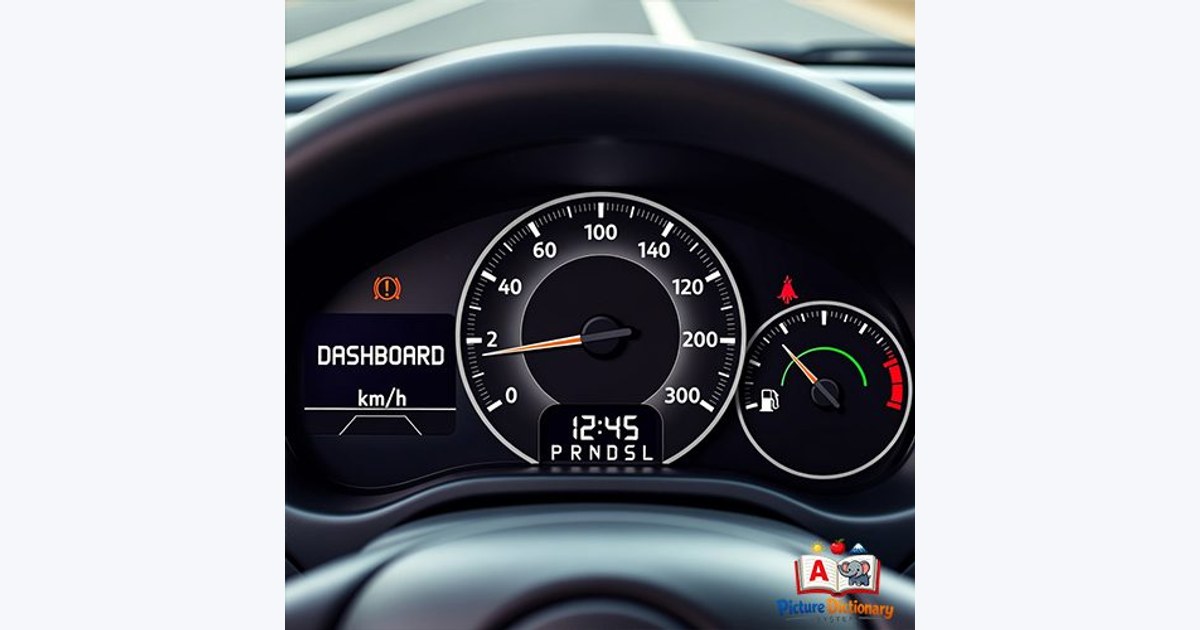
Dashboard
A dashboard is the control panel located directly in front of the driver. It houses essential instrumentation, such as the speedometer and fuel gauge, along with climate controls and safety indicators, providing critical information and access to vehicle functions.
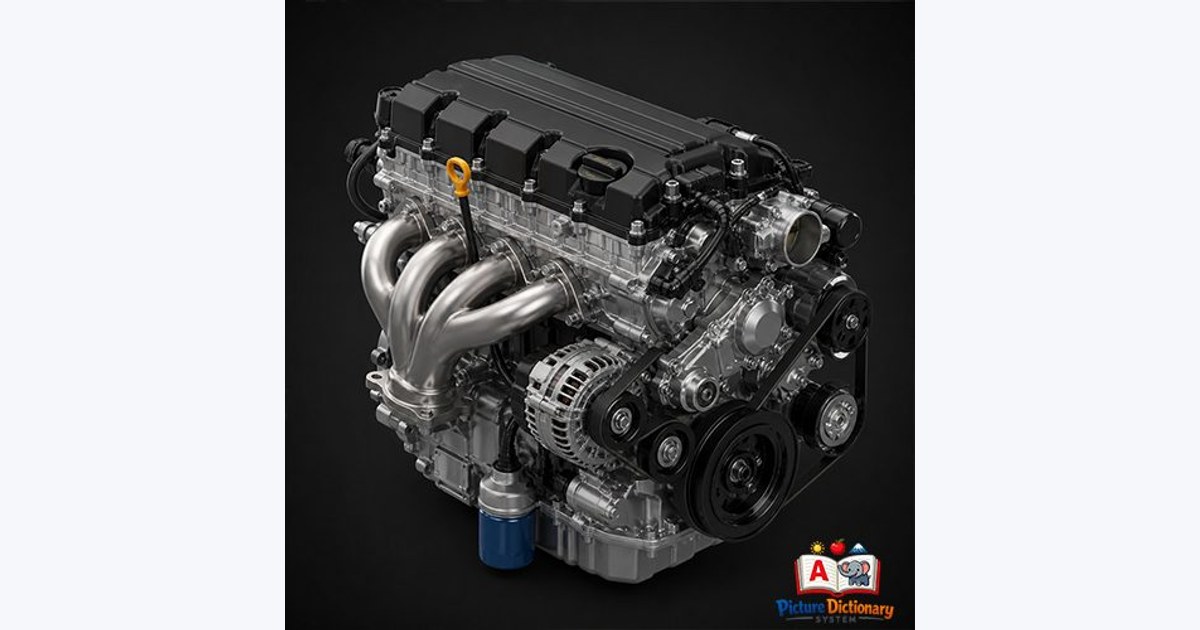
Engine
An automotive engine is a complex machine that converts chemical energy from fuel into mechanical force. Through internal combustion, it generates the rotational power necessary to drive the wheels and propel the vehicle while supporting auxiliary electrical systems.
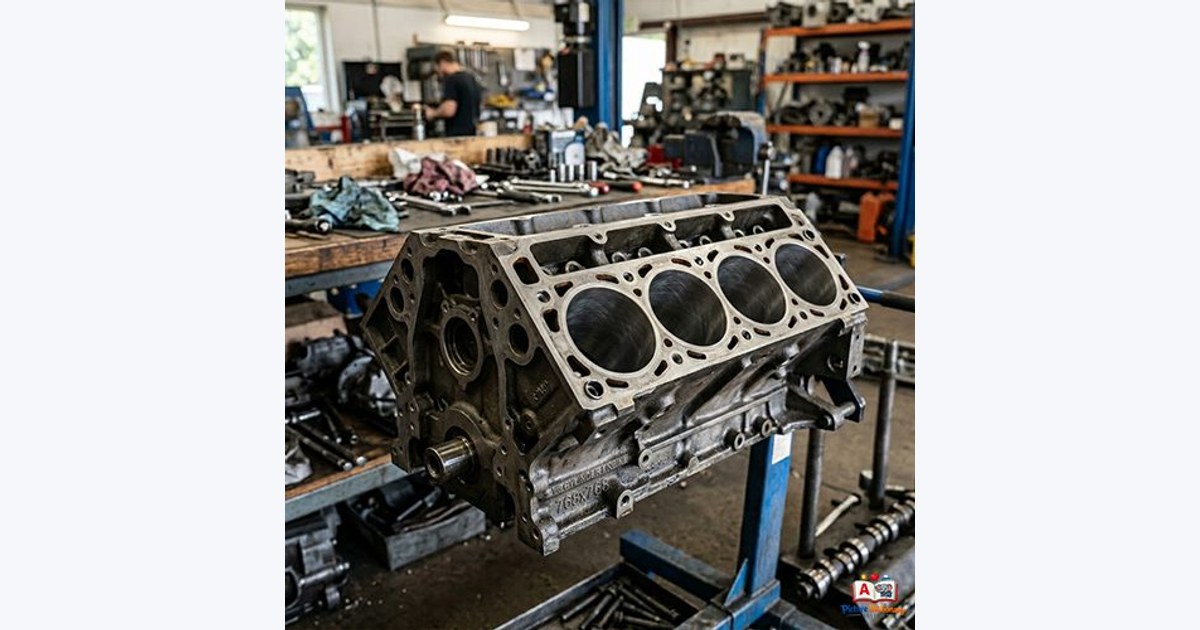
Engine Cylinder
An engine cylinder is the central power chamber in an internal combustion engine where fuel is burned and converted into mechanical energy.
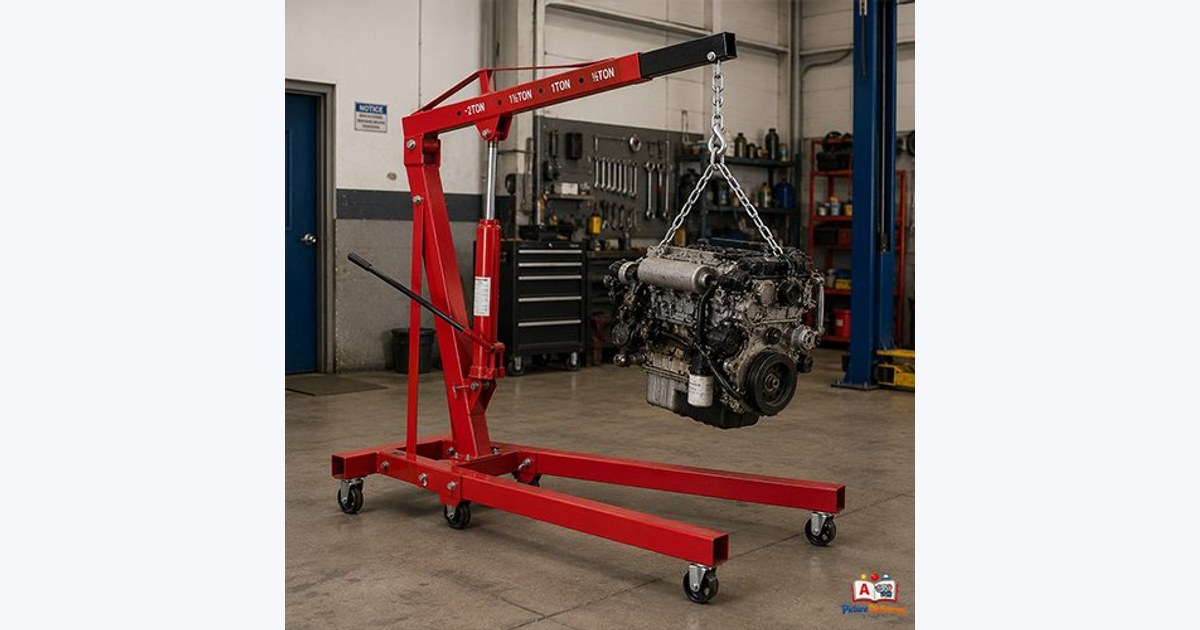
Engine crane
An engine crane, also known as an engine hoist, is a hydraulic lifting device used in automotive repair. It is designed to safely lift and remove heavy engines from vehicle engine bays for maintenance or replacement.
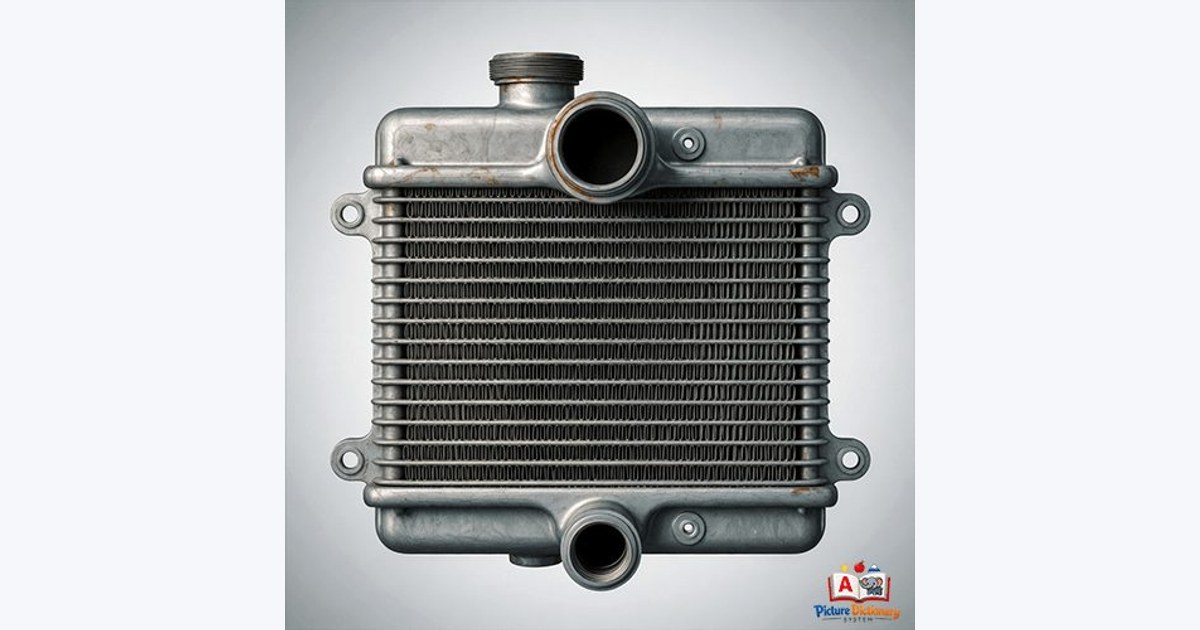
Evaporator
An automotive evaporator is a heat exchanger located inside the dashboard. It absorbs heat from the cabin air as liquid refrigerant turns into gas, cooling the air before it is blown through the vents to maintain passenger comfort.
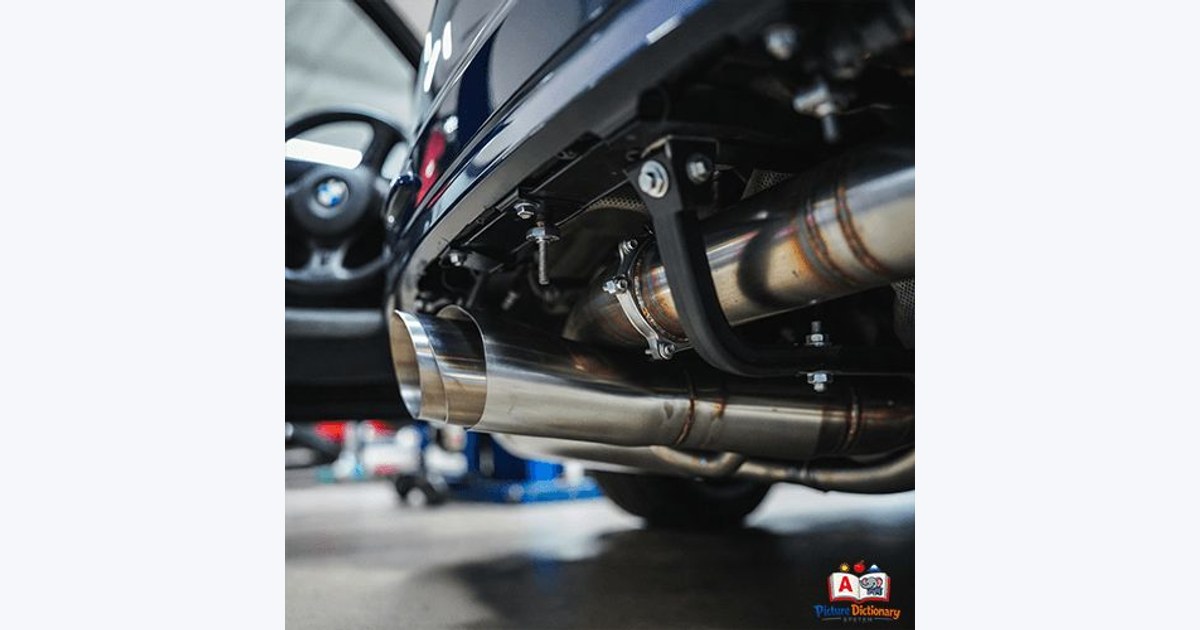
Exhaust
The exhaust system is responsible for piping combustion gases away from the engine, muffling noise, and filtering pollutants before they exit the vehicle. It plays a critical role in maintaining engine efficiency and reducing environmental impact.
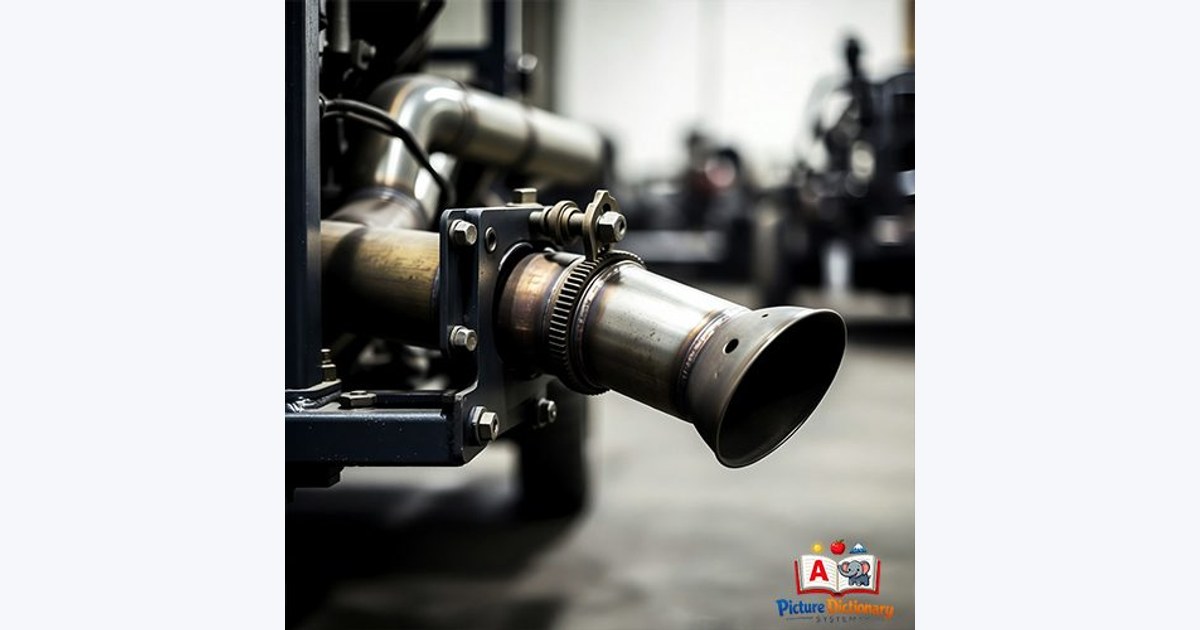
Exhaust Pipe
An exhaust pipe is a structural tube that carries burnt gases away from the engine to the rear of the vehicle. It functions to reduce engine noise, dampen vibrations, and safely vent harmful emissions away from the passenger cabin.
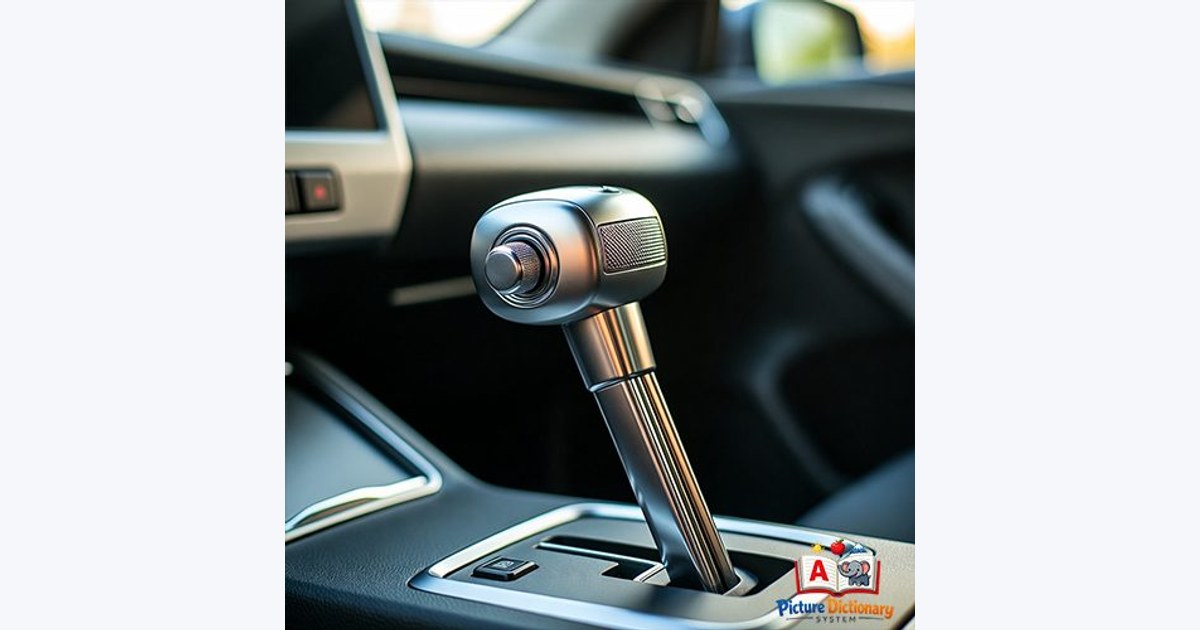
Gear Shift
A gear shift is a lever used to change gears in a vehicle's transmission. It allows the driver to select different torque and speed ratios, or modes like Park, Reverse, and Drive, to match various driving conditions and engine loads.
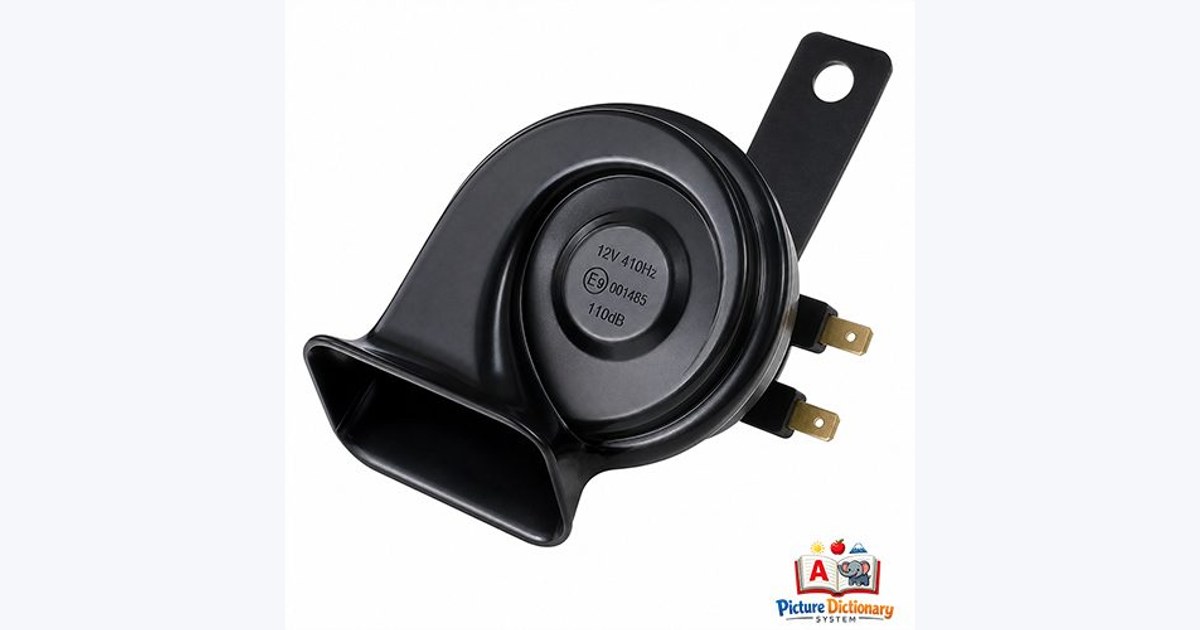
Horn
An automotive horn is a sound-making device used to signal or warn others of a vehicle's approach or presence. Usually activated via the steering wheel, it uses an electromagnet and diaphragm to produce an audible alert for safety.

License plate
A license plate is a metal or plastic tag attached to a vehicle for official identification. It displays a unique combination of characters and numbers, allowing law enforcement and transportation authorities to track ownership and registration.
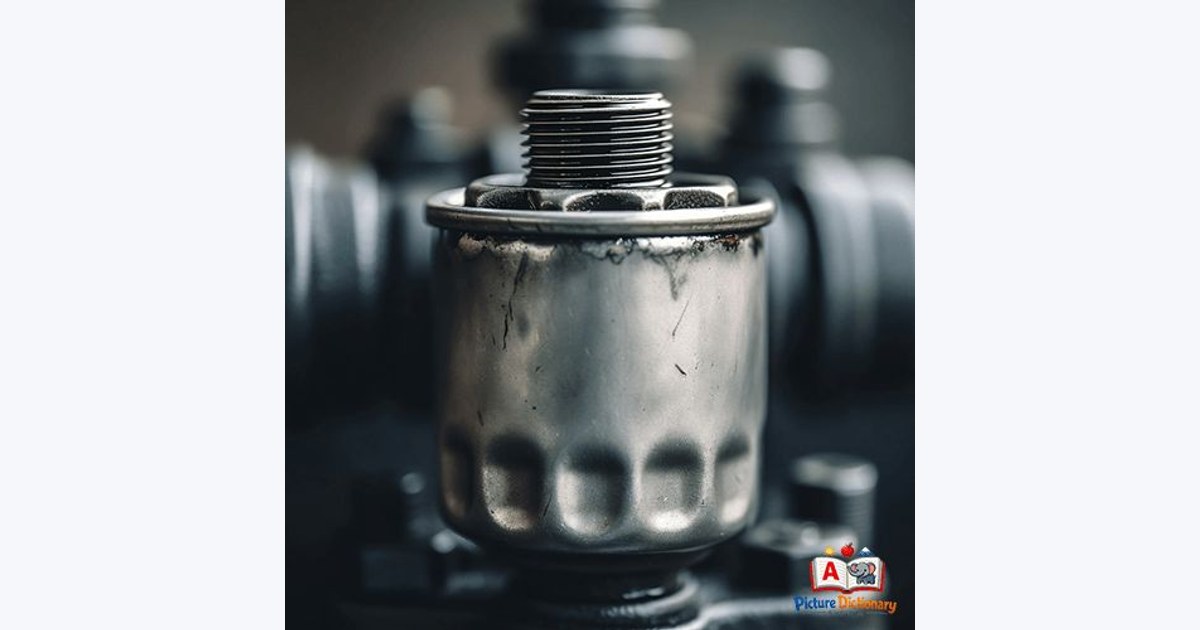
Oil filter
An oil filter is a vital component designed to remove contaminants, such as dirt and metal debris, from engine oil. By ensuring only clean oil circulates, it reduces friction and prevents premature wear, effectively extending the engine's lifespan.

Parking sensor
Parking sensors use ultrasonic waves or electromagnetic fields to detect nearby objects. When reversing, the system emits high-frequency sound waves that bounce off obstacles, triggering an audible beep or visual display to help drivers avoid collisions in tight spaces.
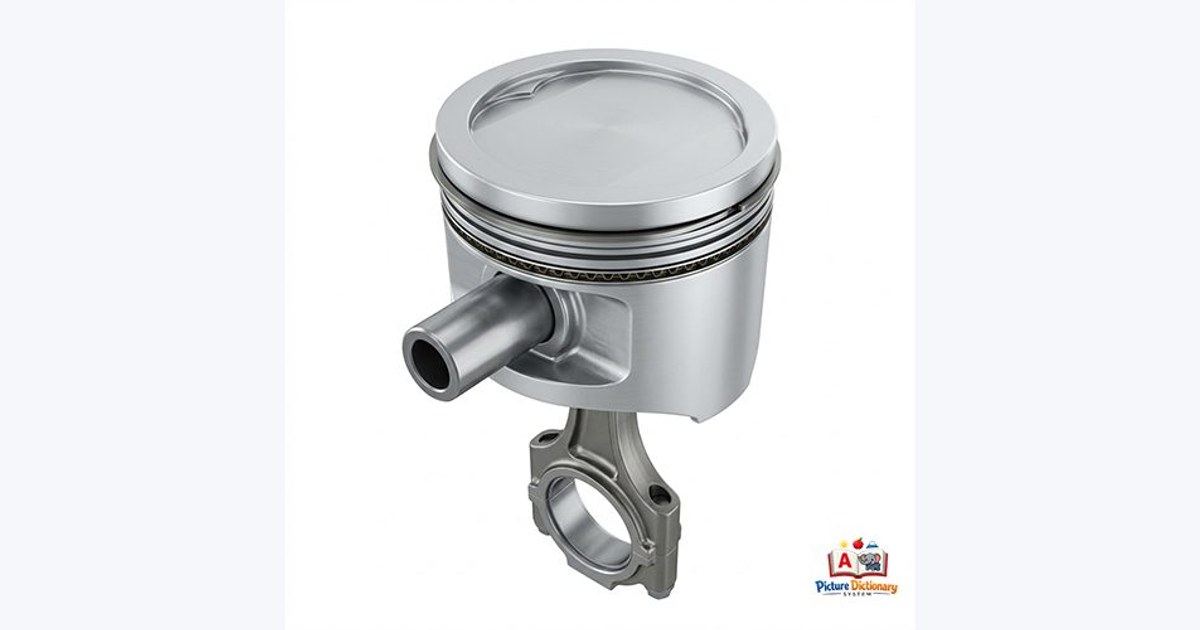
Piston
A piston is a moving cylinder contained within an engine's combustion chamber. It tightly seals the cylinder, transferring the force of expanding combustion gases down to the connecting rod to ultimately rotate the crankshaft.
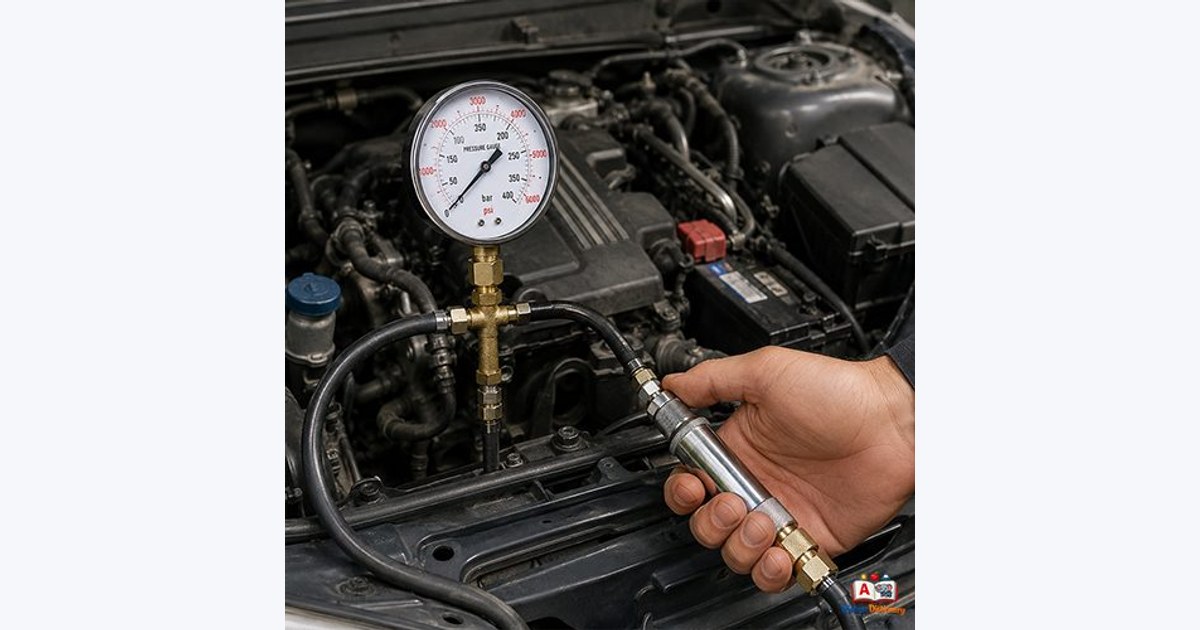
Pressure tester
A pressure tester is a mechanical or digital diagnostic tool designed to measure, monitor, and verify the integrity of systems under pressure. It is commonly used to detect leaks or failures in plumbing, automotive, and industrial hydraulic applications.
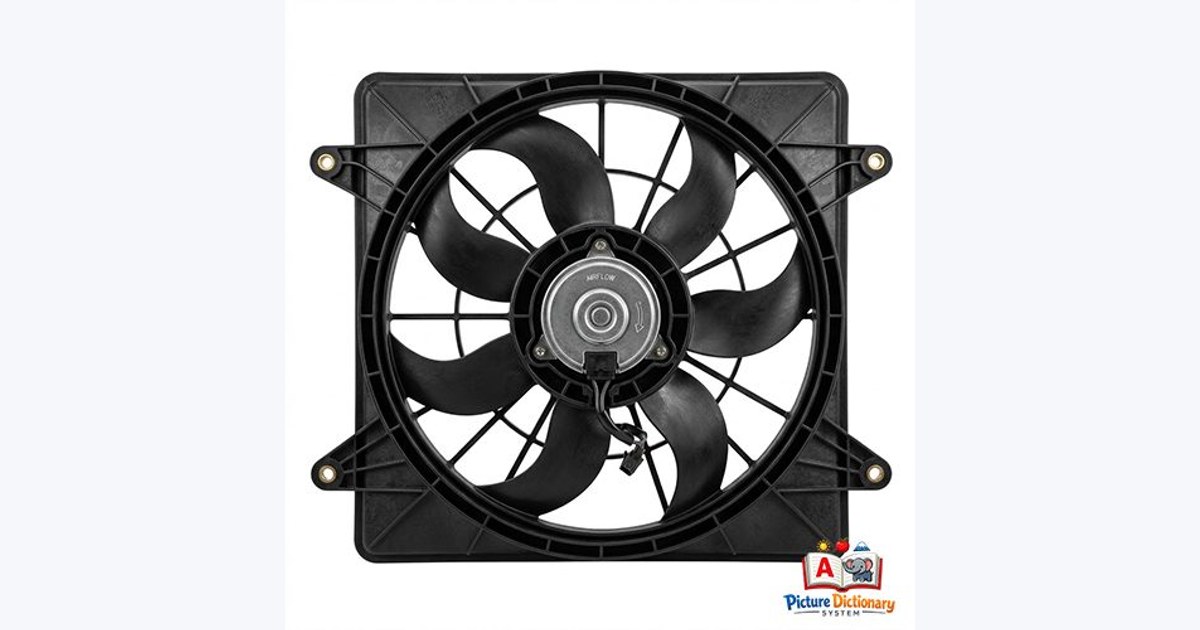
Radiator Fan
The Radiator Fan pulls ambient air through the radiator fins to dissipate heat from the engine coolant. It is essential when the vehicle is stationary or moving slowly, ensuring the engine remains within its optimal operating temperature range.
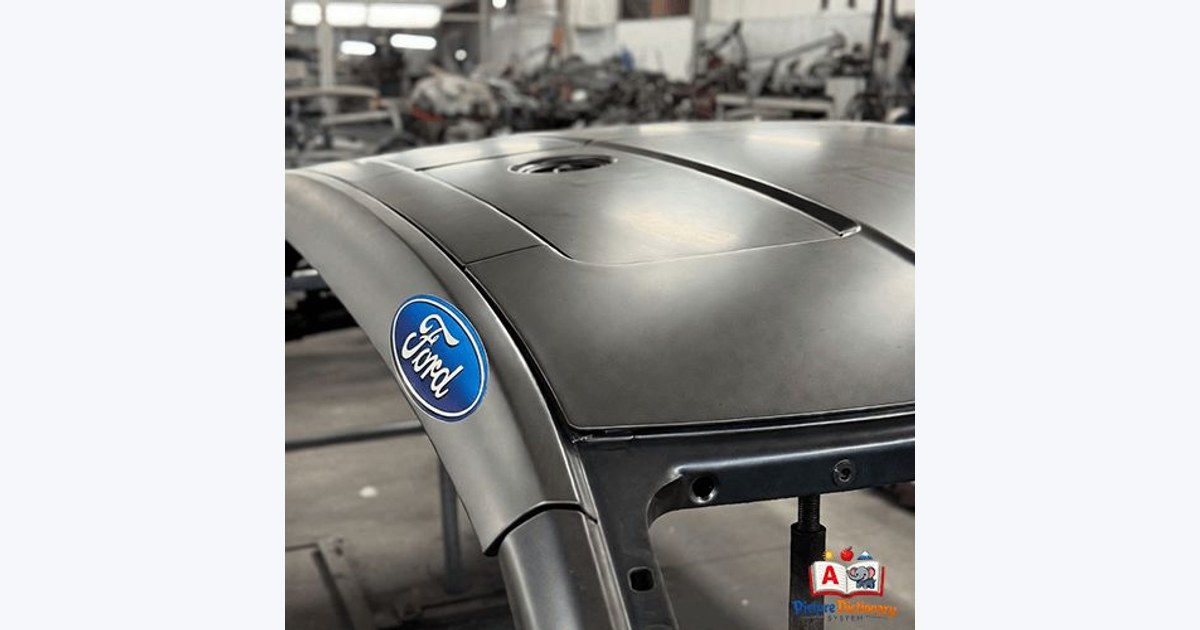
Roof
A vehicle's roof provides structural integrity and protection from environmental elements like rain and sun. Modern designs often incorporate sunroofs, panoramic glass, or roof rails to enhance aesthetics, interior lighting, and additional cargo-carrying capabilities for long trips.

Side mirror
A side mirror is a reflective device mounted on the exterior of motor vehicles. It allows drivers to see areas behind and to the sides, helping to eliminate blind spots and ensure safety during lane changes, turns, and reversing maneuvers
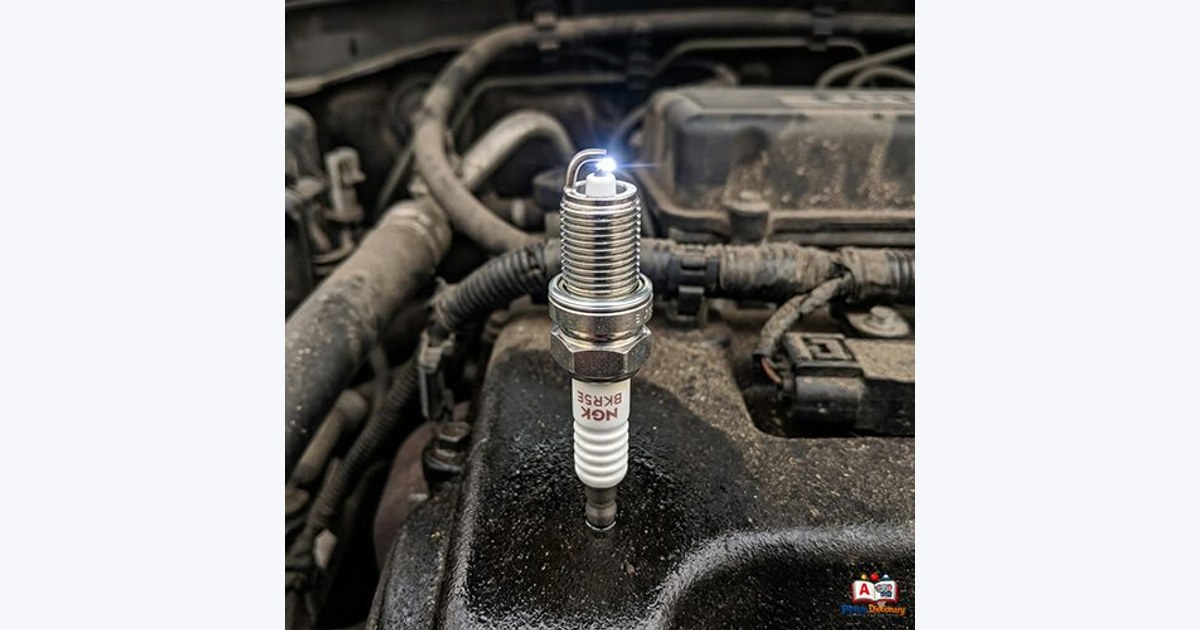
Spark Plug
A spark plug is an essential engine component that creates an electric spark to ignite the air-fuel mixture inside the combustion chamber. It helps start the engine, ensures efficient combustion, improves fuel economy, and supports smooth engine performance.

Steering wheel
Steering wheels are more than just handles; they are the primary interface between the driver and the vehicle's direction. Modern designs often integrate buttons for media, cruise control, and safety features like airbags to ensure both control and convenience.
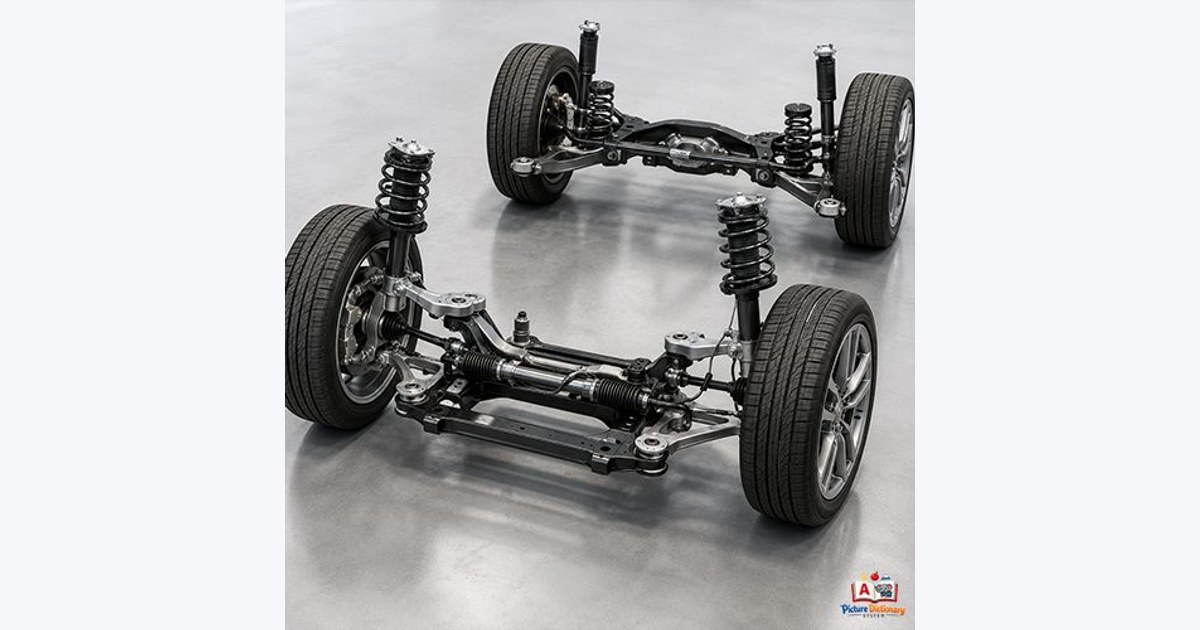
Suspension System
A suspension system is the collection of springs, shock absorbers, struts, and linkages that support a vehicle. It absorbs bumps and vibrations, improves ride comfort, enhances steering control, and helps keep the tires firmly in contact with the road.
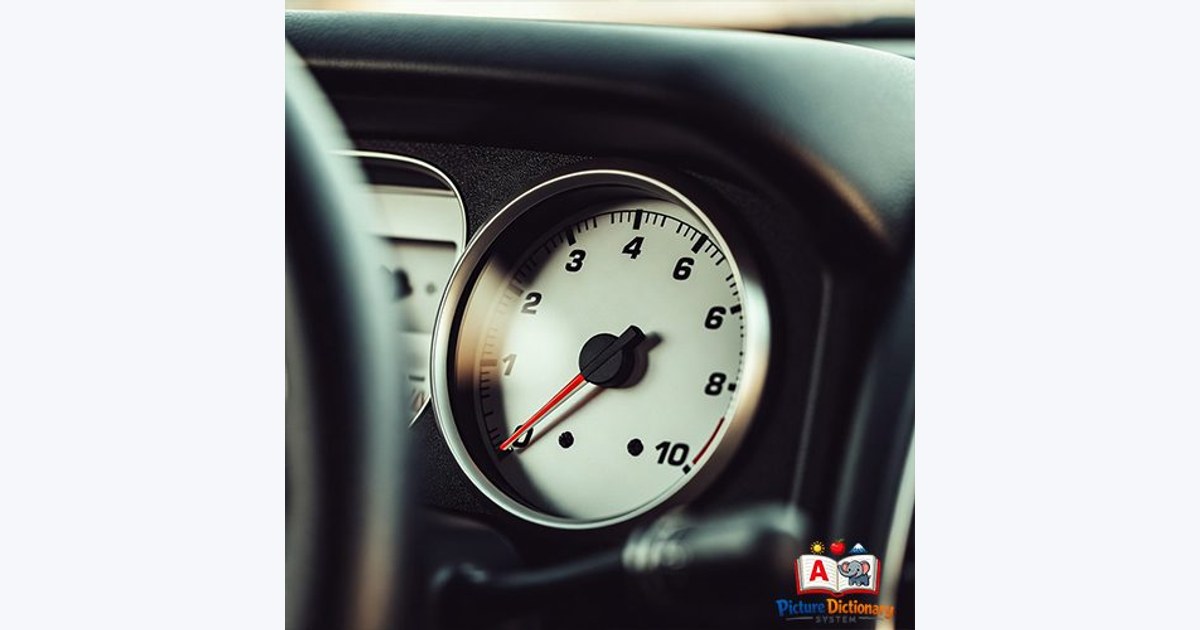
Tachometer
A tachometer is an instrument that measures the working speed of an engine, typically shown in revolutions per minute (RPM). It helps drivers monitor engine performance, ensure safe operating ranges, and determine optimal shift points for manual transmissions.
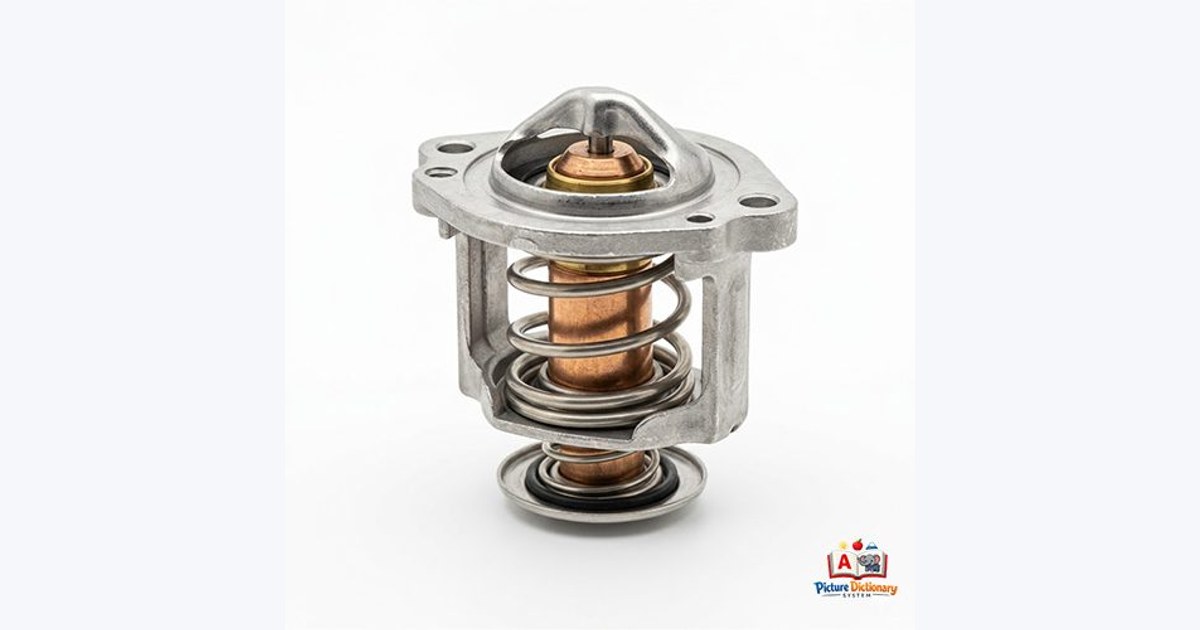
Thermostat
A car thermostat regulates engine temperature by controlling coolant flow. It stays closed when the engine is cold to allow quick warm-up, then opens once operating temperature is reached to circulate coolant through the radiator.
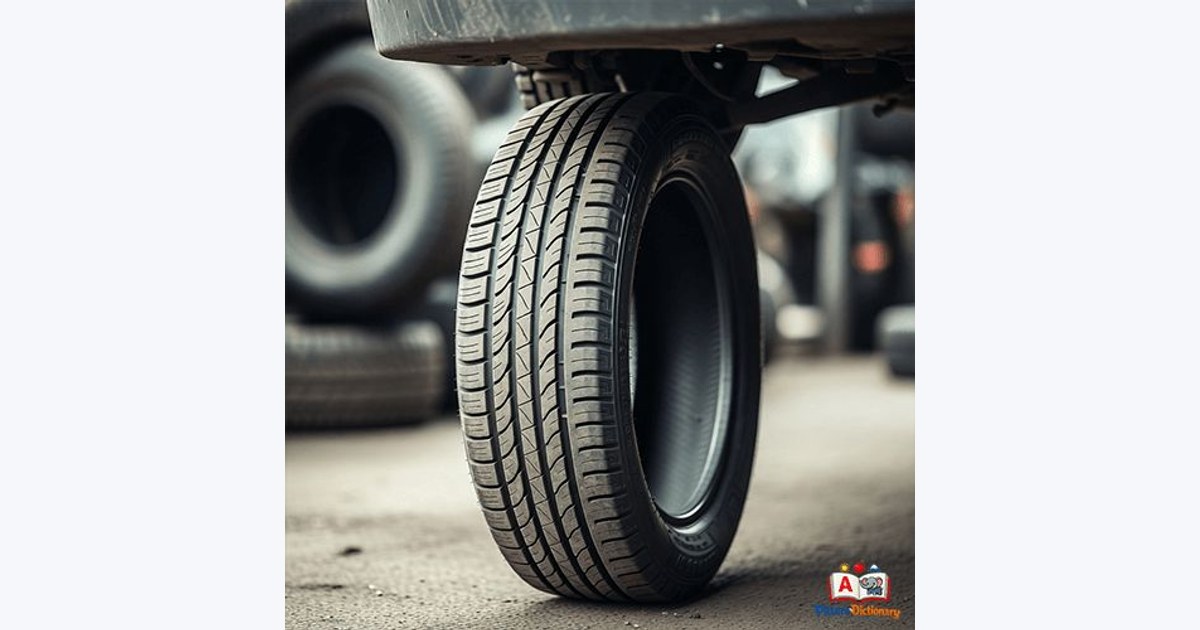
Tire
A tire is a ring-shaped component, typically made of rubber reinforced with fabric and wire, that surrounds a wheel's rim. It provides traction, cushions shocks, and supports the vehicle's load, ensuring a smooth and controlled grip on various road surfaces.
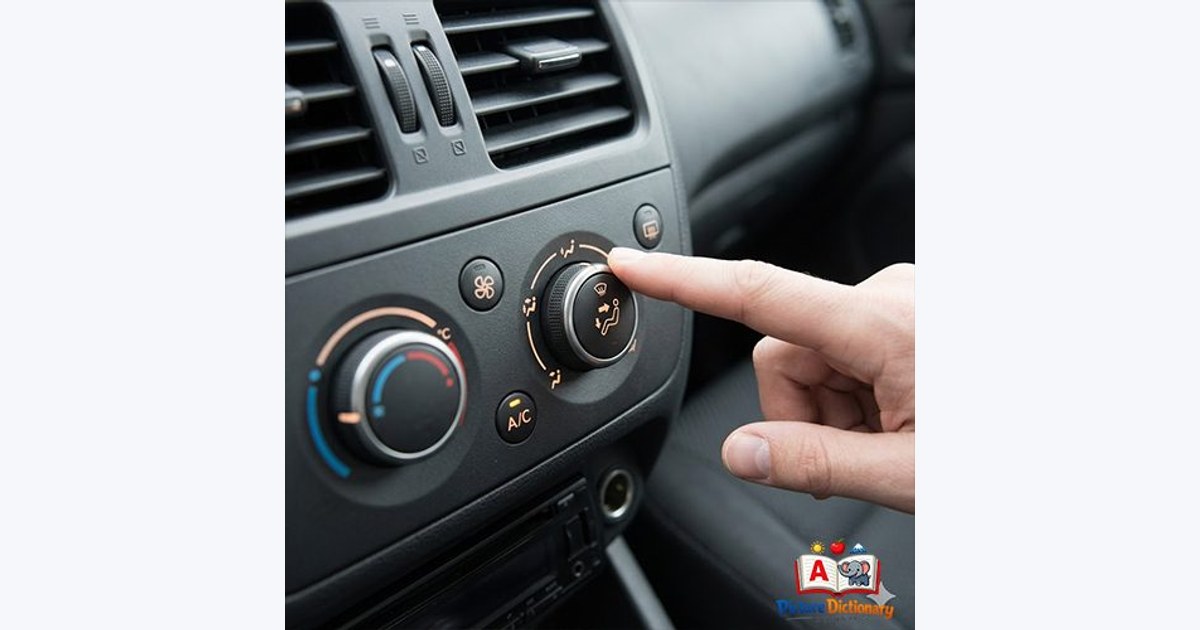
Ventilation Control
Ventilation control regulates the distribution, temperature, and circulation of air inside the cabin. By adjusting fans and shutters, it manages fresh air intake or internal air recirculation, ensuring passenger comfort and maintaining clear visibility by preventing window fogging.
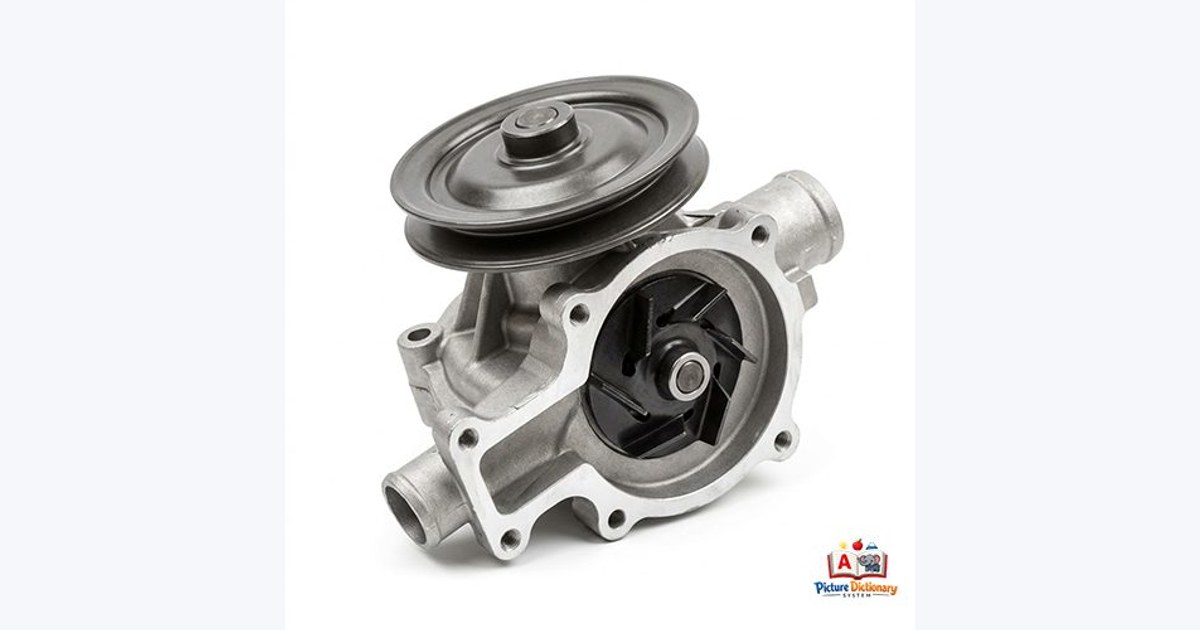
Water pump
The automotive water pump continuously forces coolant through the engine block, cylinder head, and radiator. Driven by an engine belt or timing chain, it prevents dangerous overheating by effectively transferring intense combustion heat away from vital components.
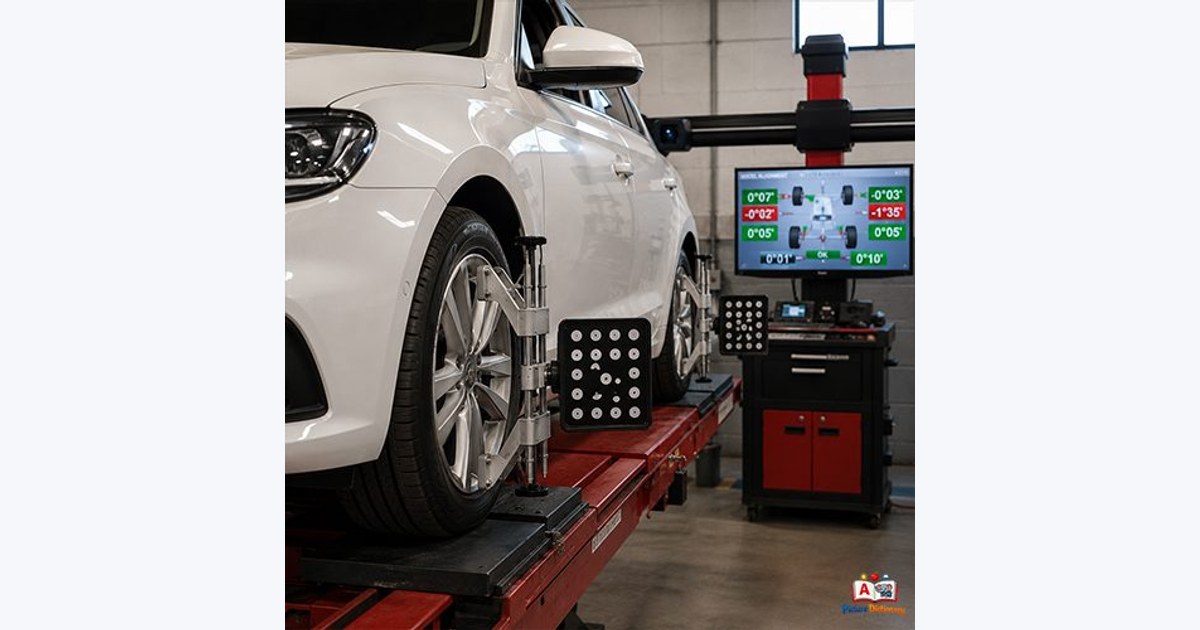
Wheel Alignment
Wheel alignment is the process of adjusting a vehicle's suspension system to ensure that the wheels are perfectly parallel to each other and perpendicular to the ground. This optimizes handling, improves fuel efficiency, and prevents uneven tire wear.